

PROJECTION MAPPING: Transforming buildings into dynamic visual stories
How projection mapping reshapes the spaces we live in

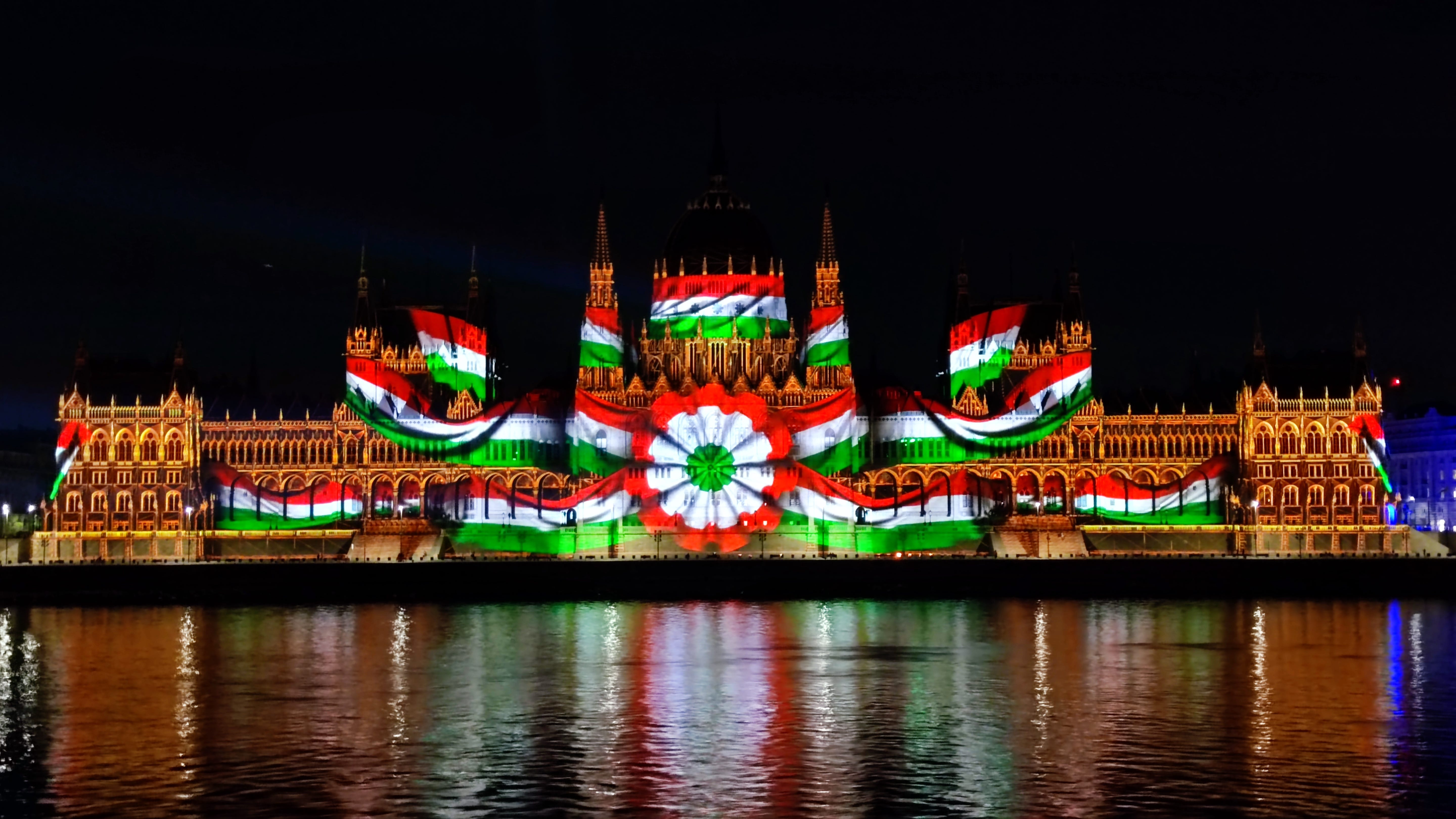
There was a time when projection was limited to a flat screen.
Then came projection mapping — and suddenly, walls, buildings, and objects turned into living stories.
In an era when audiences crave experiences over simple visuals, projection mapping stands at the intersection of art, technology, and emotion.
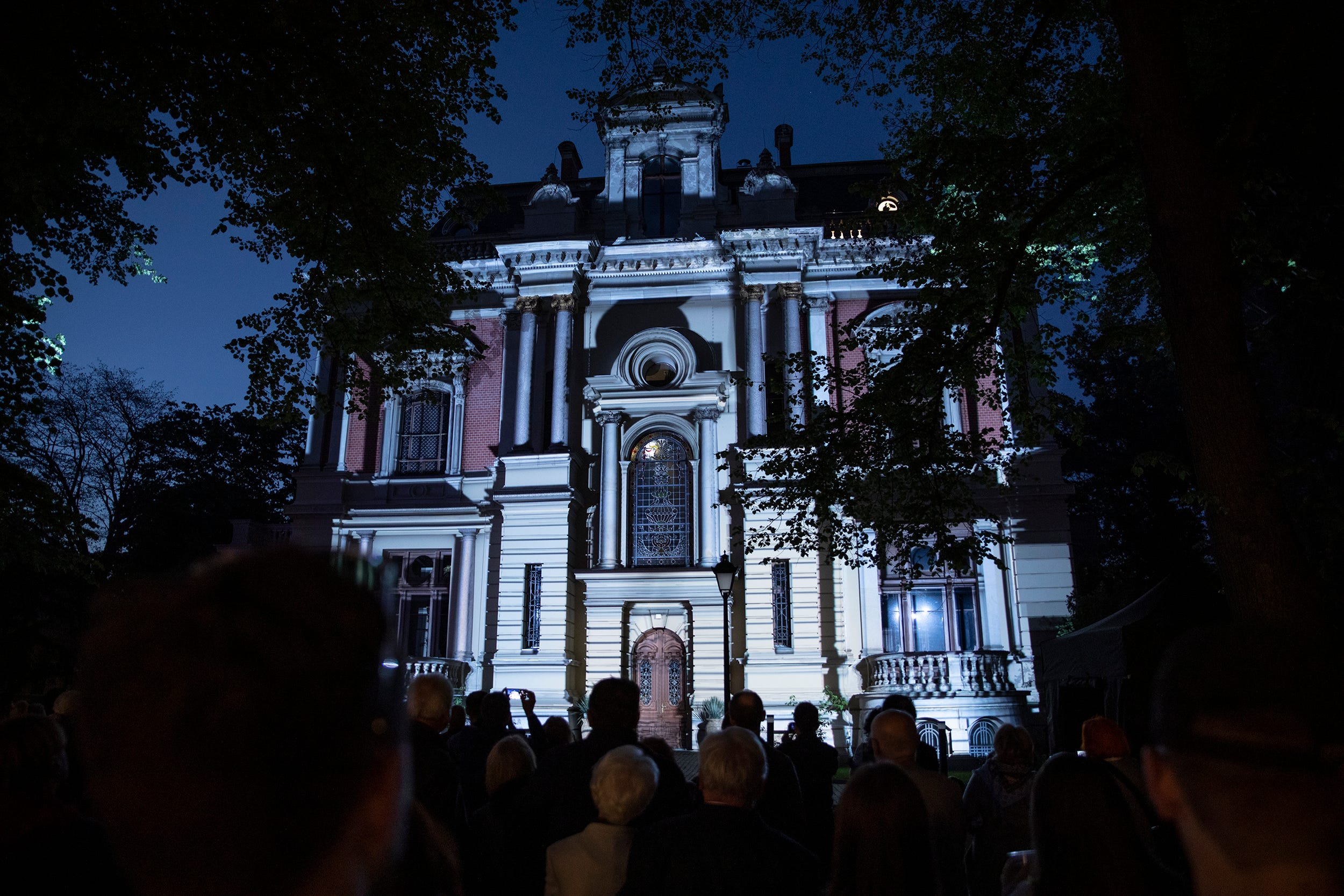
It transforms surfaces into interactive narratives, where every beam of light contributes to a story unfolding in space.
From surfaces to stories
At its core, projection mapping is the art of using light to sculpt and animate reality.
Through advanced software and precise calibration, digital imagery is projected onto irregular shapes — anything from a building façade to a sculpture or an entire stage set.
Unlike traditional projection, which requires a screen, mapping aligns with the physical features of an object, wrapping visuals perfectly around edges, curves, and textures. The result is a seamless blend between the real and the virtual — a hybrid space that exists somewhere between architecture and imagination.
That’s why it’s become one of the most captivating tools in immersive design. It’s not just visual spectacle — it’s a medium for emotional storytelling.
How projection mapping works

Behind the magic lies a carefully choreographed technical process.
The workflow usually begins with 3D scanning and modeling — a digital capture of the object or environment. This model becomes the canvas for designers, who build custom animations and motion graphics tailored to every physical detail.
Then comes hardware setup and calibration: high-lumen projectors, media servers, and precise lens configurations.
The alignment stage — often called warping and blending — ensures that every pixel lands exactly where it should, even across complex surfaces.

Finally, real-time synchronization links visuals, sound, and lighting into a single timeline.
When executed correctly, the projection becomes indistinguishable from the object itself — the architecture appears to breathe, move, and react.
Why we’re drawn to light
Humans are hardwired to respond to light and motion. Projection mapping harnesses that primal reaction and transforms it into a medium of design communication.
In live shows and concerts, mapping creates a sensory bridge between performer and audience. In museums and installations, it gives physical form to abstract concepts — turning history, art, and science into experiential storytelling.
And in marketing, it helps brands move beyond the screen — projecting emotion onto architecture, and architecture onto memory.
When done well, projection mapping doesn’t just decorate a space — it redefines how people feel inside it.
Applications across industries
What started as a niche experiment in stage design has become a versatile tool across industries.
Architecture and urban art: Building façades become dynamic storytelling surfaces for city festivals or cultural events.
Retail and exhibitions: Immersive product presentations and installations engage customers in ways static displays never could.
Museums and education: Projection mapping turns knowledge into experience, helping audiences feel information rather than just absorb it.
Events and entertainment: From concerts to brand activations, mapping brings physical environments to life with light-driven performance.
The creative–technical balance
Projection mapping is most powerful when art and engineering collaborate.
A visually stunning show means nothing if the mapping is misaligned, and perfect calibration can’t save weak storytelling.
Success depends on an equilibrium between creative vision and technical precision.
Designers, content creators, and system engineers work side by side, often using platforms like Touch Designer, Unreal Engine.
It’s a field where creativity literally depends on geometry, and imagination has to obey the laws of optics.
That fusion — between imagination and mathematics — is what gives projection mapping its magic.
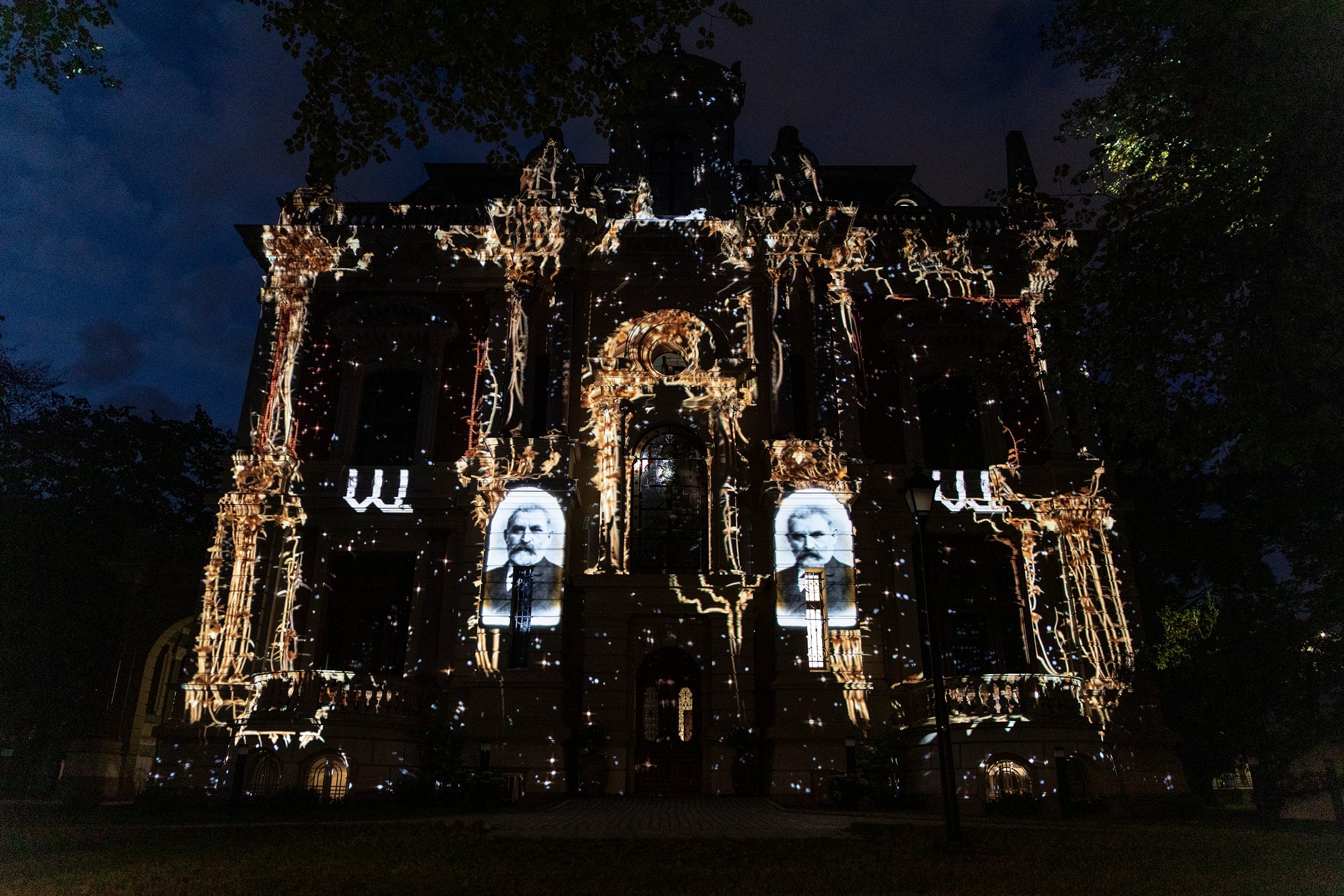
A growing language of emotion
We often describe projection mapping as “technology,” but it’s really a language.
A language that speaks through light, movement, and rhythm. Its grammar is geometry; its poetry lies in emotion.
It can transform architecture into metaphor, a wall into a memory, or a space into a feeling.
And in that sense, it’s one of the few technologies that remain truly human — because its purpose is not just to show something new, but to make us feel something real.
Learn more
For a deeper dive into how projection mapping is reshaping events, architecture, and immersive design, explore:
👉 Projection mapping: turning surfaces into experiences
Author: Rafal Mrzyglocki - CEO of ARAM – designer, producer, and consultant specializing in immersive environments and large-scale projection mappings and immersive installations.
You may also want to read: